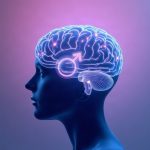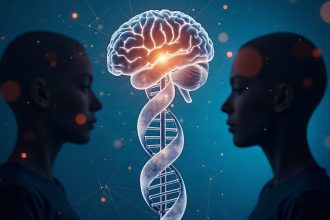

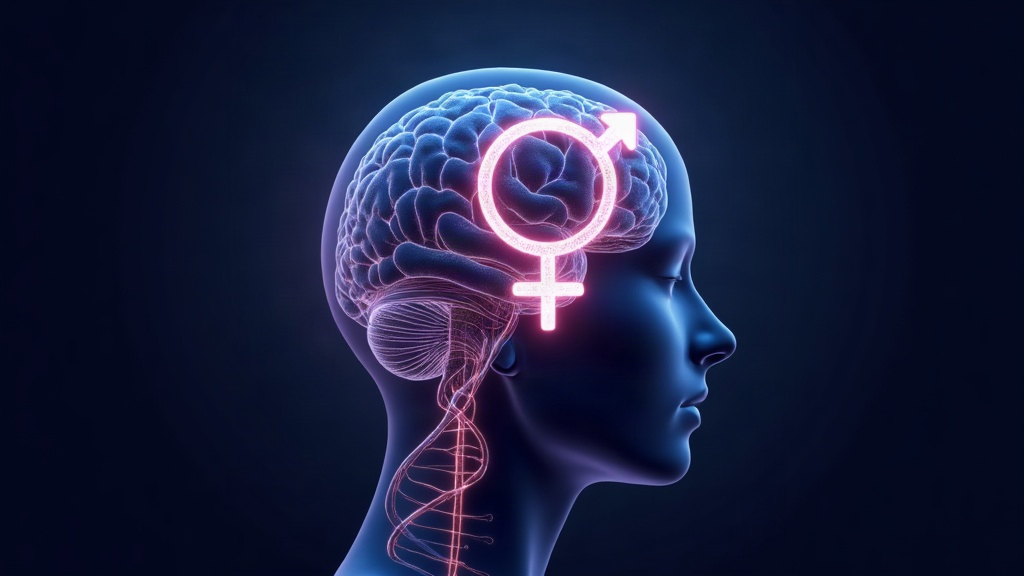
Gender dysphoria remains a largely unexplored territory for neurobiology. One of the most promising avenues runs through oxytocin, a neuropeptide known for modulating social cognition and emotional processing, and through its receptor, OXTR. An international team has measured both in transgender men and has found striking differences with respect to cisgender women.
The study, published in Scientific Reports, compared three groups of people assigned female at birth: 18 transgender men who were not using exogenous testosterone, 11 transgender men who self-injected testosterone, and 30 cisgender women as controls. Through blood analysis they measured plasma levels of oxytocin and other hormones, and through quantitative PCR they analysed expression of the oxytocin receptor gene (OXTR) in whole blood.
The first finding is that transgender men showed significantly higher plasma oxytocin levels than cisgender women. The second, that those administering testosterone also presented significantly elevated OXTR receptor gene expression. The authors note that this is the first time these differences have been observed in transgender people assigned female at birth.
The results should be read with caution. This is a study with a small sample, of cross-sectional design, that describes associations and does not allow causality to be established: it cannot be known whether oxytocin contributes to dysphoria, whether it is a consequence of it, or whether it responds to other factors such as stress or the transition process itself.
Even so, the work opens a suggestive line of research. Oxytocin takes part in emotional regulation and social bonds, and its receptor has been linked to disorders such as depression and the autism spectrum. Understanding how the oxytocinergic system behaves in people with gender incongruence could help clarify the biological mechanisms underlying gender identity and to design broader future research.
Source: Elevated oxytocin levels and oxytocin receptor gene expression in female-to-male transgender individuals. Dastorani M, Shahini N, Livani A, et al. Scientific Reports 2025;15. DOI: 10.1038/s41598-025-26845-w.
Read the publication: Scientific Reports.
Article published at dosier.es. Image generated with artificial intelligence (marta ai → marta.syf.es).