

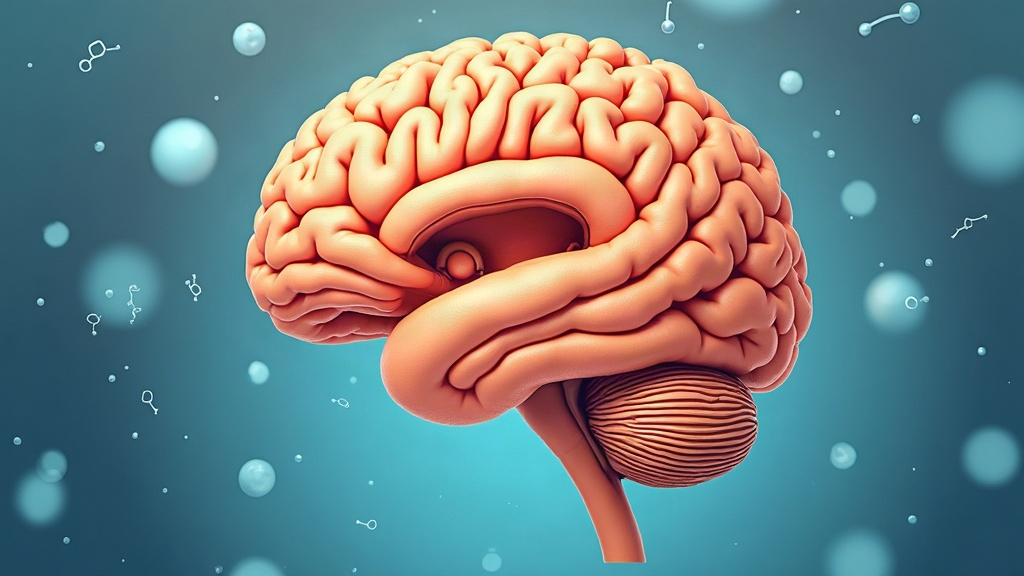
The hippocampus, that brain region central to memory and emotion, responds to sex hormones. And in transgender people receiving gender-affirming hormone therapy, that response becomes a window into how body and identity move together. A new study in Frontiers in Neuroscience has measured, for the first time, the volume of hippocampal subfields in transgender men treated with testosterone.
Researchers at Chonnam National University (South Korea) used magnetic resonance imaging to compare 17 transgender men who had been on testosterone therapy for an average of seven years — and had undergone hysterectomy — with 20 premenopausal cisgender women. The aim was to test whether hormone treatment was reflected in gray matter volume of subcortical regions, especially the hippocampus.
The results showed clear differences. Transgender men had significantly larger gray matter volumes in the caudate nucleus, hypothalamus, and thalamus compared with the women’s group. And within the hippocampus, one specific subfield, the right subiculum, stood out for its larger volume, which also correlated positively with free testosterone levels (r = 0.34; p = 0.04). In other words: the more testosterone, the larger that region.
The authors interpret these findings as evidence of neuroplasticity induced by hormone treatment. The subiculum is an output zone of the hippocampus involved in emotional and stress regulation, and its sensitivity to androgens fits with what is known about testosterone action on the brain. The study helps to understand the morphological effects of affirmation therapy beyond the hypothalamus, in areas linked to cognition and movement.
The researchers stress that understanding which brain regions change with testosterone could help clarify the biological bases of gender identity and optimize treatments to reduce dysphoria. The cross-sectional design and small sample open a line that future longitudinal studies will need to confirm with more participants.
Source: Hippocampal subfield volume differences between female-to-male transgender individuals with cross-sex hormone therapy and cisgender women. Kim G-W, Lee M, Lee H-S, Park K, Jeong G-W. Frontiers in Neuroscience 2025;19:1477725. DOI: 10.3389/fnins.2025.1477725.
Publication reference: Frontiers in Neuroscience.
Article published on dosier.es. Image generated with artificial intelligence (marta ai → marta.syf.es).