
Towards which sex is the brain of a transgender man oriented? A new neuroimaging study suggests that, at least in the response to sexual arousal, the brain of people who transitioned from female to male resembles that of cisgender men more than that of women. The research was published in World Journal of Men’s Health, a journal of the Korean Society for Sexual Medicine and Andrology.
A functional magnetic resonance imaging experiment
The team recruited 57 volunteers: 17 postoperative transgender men on cross-sex hormone treatment, 20 cisgender men and 20 premenopausal cisgender women. Sexual hormone levels were measured in all of them and their brain activity was observed by functional magnetic resonance imaging (fMRI) while they watched a nine-minute erotic video.
The time-course analysis technique made it possible to compare not only which regions were activated, but also when and with what intensity they were.
Responses close to those of men
Free testosterone and oestradiol levels in the transgender men were closer to those of cisgender men than to those of premenopausal women. Something similar happened with brain activity.
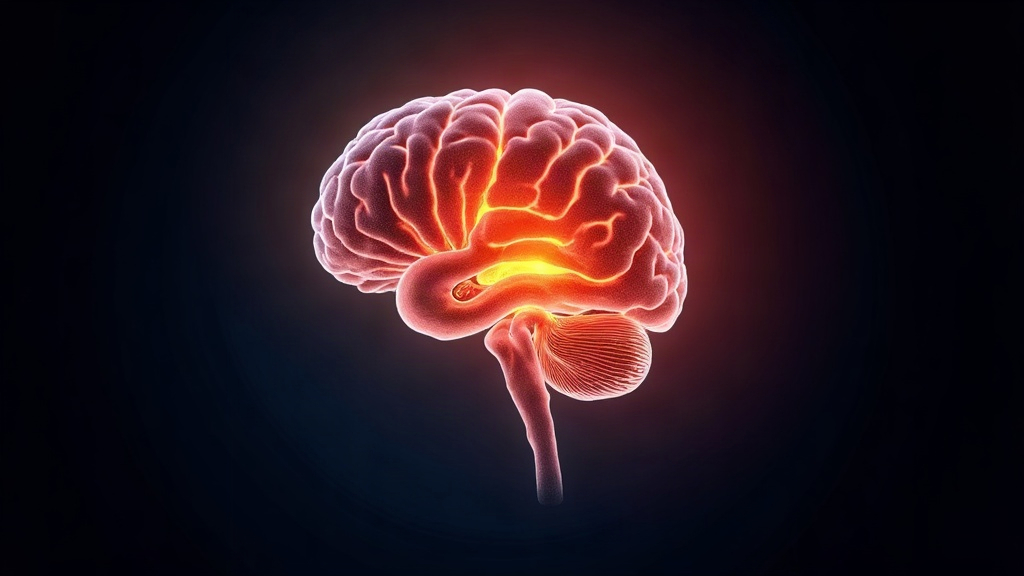
The between-group analysis revealed significant differences in two regions: the insula and the caudate nucleus. Compared with the women, the cisgender men showed greater activity in both areas. The transgender men, by contrast, presented greater activity only in the insula, but not in the caudate.
Hormones that set the pace
A positive correlation was also observed between free testosterone and changes in the brain signal (BOLD) in the insula and the caudate nucleus: the more testosterone, the greater the response in those regions.
Timing also distinguished the groups. The peak change in the brain signal occurred between minutes 4 and 5 in the transgender men, between minutes 2 and 3 in the cisgender men and between 5:30 and 6:30 in the women.
One more step towards understanding gender identity
For the authors, these results indicate that both the brain activity and the hormone levels of transgender men are more similar to those of cisgender men than to those of cisgender women. The study adds one more piece to the puzzle of the biological bases of gender identity.
It is a small sample and a single response (sexual arousal), so the results must be taken with caution. But the work shows that combining neuroimaging and hormones can shed light on how gender identity and biological sex relate to each other.
Source: Brain Activation Patterns during Sexual Arousal: A Comparative Time-Course Functional Magnetic Resonance Imaging Study in Postoperative Female-to-Male Transgender Individuals, Cisgender Men, and Premenopausal Women. World Journal of Men’s Health, 2026. DOI: 10.5534/wjmh.250205.
Article published at dosier.es. Image generated with artificial intelligence (marta ai → marta.syf.es).