
The biological basis of gender incongruence remains a mystery, but the accumulated evidence points to hormonal and environmental factors acting during fetal development as potentially playing a relevant role. A peer-reviewed scientific chapter, published in 2026 by a team led by Marie-Odile Soyer-Gobillard (Sorbonne University, Paris), with Laura Gaspari-Sultan and Charles Sultan (Montpellier University Hospital), addresses precisely this question: whether the feminization of the male brain in utero by chemical compounds with estrogenic effects could contribute to a person assigned male at birth developing a female gender identity.
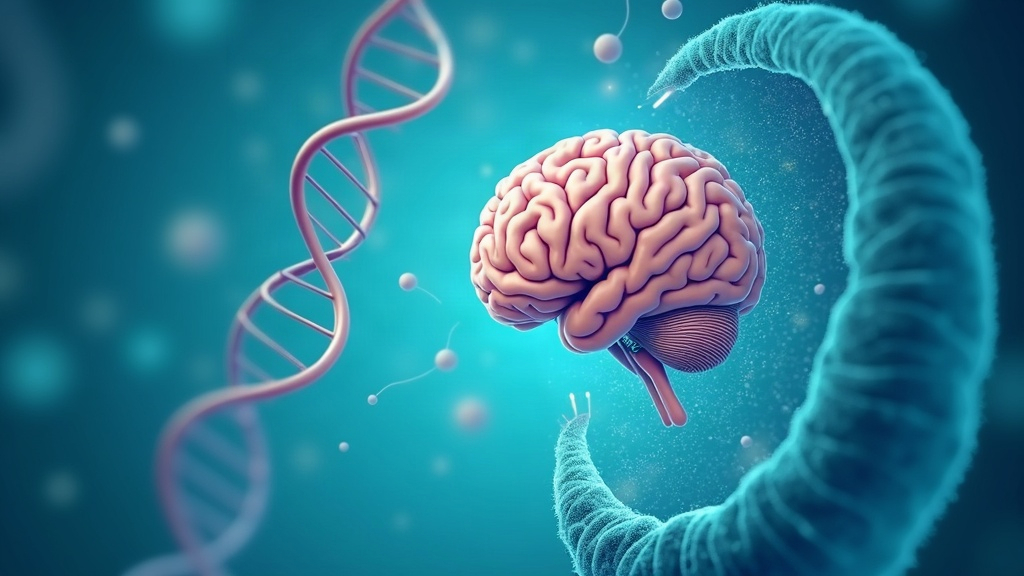
The starting point is well known in neurobiology. During fetal life, testosterone plays a decisive role in the “masculine” differentiation of the brain, organizing certain neuronal regions and shaping circuits that differ between men and women. When that androgenic signal is altered, development could be oriented toward a different brain phenotype. The authors recall that, in animal experiments, exposure to endocrine disruptors during development has been associated with changes in behavior and in the differentiation of sexually dimorphic neural pathways, and that in XY animals some of these compounds, through their antiandrogenic activity, induce female identity traits.
The most striking piece of data in the study comes from the French cohort HHORAGES-France, which brings together people exposed in utero to diethylstilbestrol (DES), a synthetic estrogen widely used between the 1950s and 1970s. Among the 253 male children prenatally exposed to this substance, four identified as transgender women. Although this is a small figure, the observed proportion is clearly higher than the expected prevalence in the general population, which led the researchers to suggest that prenatal exposure to certain xenoestrogens could modulate the development of gender identity.
The authors also discuss whether the increased environmental exposure to endocrine disruptors could be related to the higher prevalence of transgender people observed in recent generations. They insist, however, that this is a working hypothesis and that gender identity is a complex phenomenon involving biological, anatomical, genetic, and environmental factors. The chapter emphasizes the need to continue investigating the role of hormones and the prenatal chemical environment in the neurobiology of identity, without reducing the phenomenon to a single cause.
In short, this 2026 chapter adds one more argument to the idea that gender incongruence has biological roots and cannot be explained by a single factor. The study of historical cohorts such as that of diethylstilbestrol offers a unique window into understanding how the hormonal environment of the fetus can shape brain development. Far from answering the question definitively, the study opens new lines of research in developmental endocrinology and neuroscience, and reminds us of the importance of continuing to rigorously review the possible influences of the chemical environment on identity.
Bibliographic reference: Soyer-Gobillard M-O, Gaspari-Sultan L, Sultan C. Could the Feminization of the Male Brain in Utero by Xenoestrogens Contribute to Female Transgender Identity? In: Steroids – Hormonal Regulation and Disorders. IntechOpen; 2026. DOI: 10.5772/intechopen.1015655.
Article page: https://www.intechopen.com/online-first/1249183