

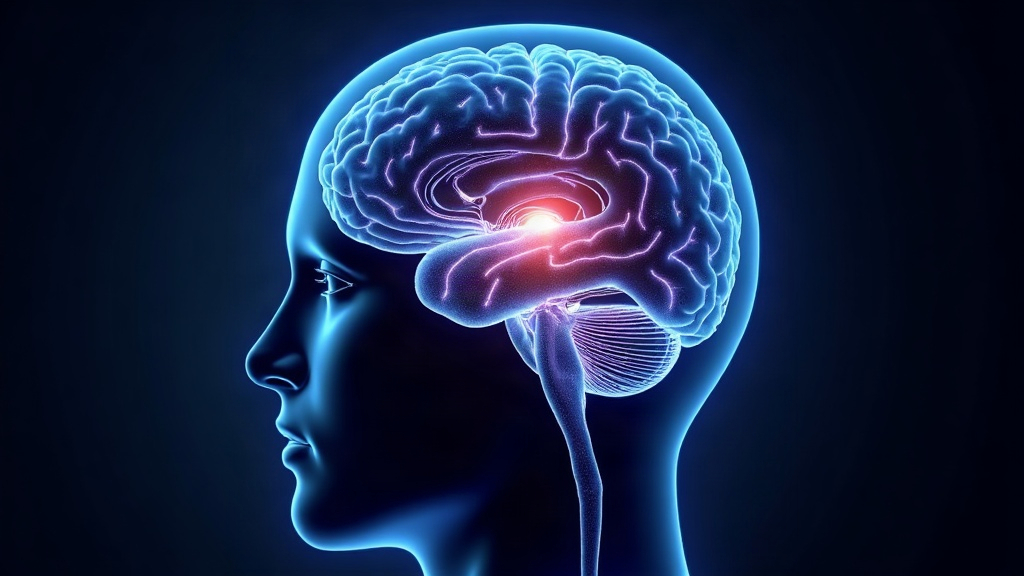
A new study published in 2026 in the journal Dialogues in Clinical Neuroscience provides one of the most detailed descriptions to date of how brain circuits are organized in people with gender incongruence. The research team, led by G. Chen and colleagues, analyzed, using resting-state functional magnetic resonance imaging, the so-called thalamus, a deep structure of the brain, and its communication with the cerebral cortex in transgender women.
The research was carried out on a sample of 126 people: 44 transgender women, 40 cisgender men, and 42 cisgender women. In all of them, functional connectivity between different regions of the thalamus and different areas of the cortex was measured, and both gender dysphoria symptoms and various cognitive functions were assessed using standardized tests. The authors compared the three groups to distinguish which differences were associated with gender identity and which with biological sex at birth.
The results showed that transgender women present altered thalamocortical connectivity patterns compared with cisgender men, especially in circuits connecting the thalamus with the prefrontal cortex, a region involved in control, attention, and the regulation of thoughts. The most notable finding is that the connectivity between a subregion of the thalamus and the medial prefrontal cortex fully mediated the relationship between the intensity of gender dysphoria symptoms and cognitive performance, specifically in attention. That is, dysfunction in this neural pathway could explain, at least in part, the cognitive difficulties that sometimes accompany gender dysphoria.
This work reinforces the idea, already suggested by previous neuroimaging and genetic studies, that gender incongruence has measurable biological correlates in the brain and should not be reduced to a purely psychological factor. Nevertheless, the authors themselves point out important limitations: it is a retrospective study with a relatively small sample, carried out in a single population, so the results will need to be confirmed in larger and more diverse cohorts before drawing firm conclusions. For now, the described thalamo-prefrontal pathway is emerging as a promising candidate for future research on the neural mechanisms of gender dysphoria.
Bibliographic reference:
Chen G, Chen R, Liao M, Sun S, Chen P, Guo Z, Chen C, Tang X, Qi Z, Zhong S, Gao L, Huang X, Xiao X, Wang Y. Comparisons of thalamocortical functional connectivity in transgender women and cisgender individuals: associations with cognition in a Chinese cohort. Dialogues in Clinical Neuroscience. 2026. DOI: 10.1080/19585969.2026.2669514. PMID: 42127800.