
Does the brain of a transgender person resemble more the sex assigned at birth, or the gender with which they identify? It is one of the central questions of the neuroscience of gender dysphoria, and ...
Klinefelter syndrome is a genetic condition in which a person is born with an extra X chromosome: a 47,XXY karyotype instead of the usual 46,XY. That extra copy usually goes hand in hand with an atten...
They are a reversible treatment, approved decades ago for precocious puberty and later extended to adolescent gender dysphoria. And yet few drugs in modern medicine are so surrounded by political cont...
Differences in sex development (DSD) — also known as intersex traits — are a set of congenital conditions in which chromosomal, gonadal or anatomical development does not follow the typically male or ...
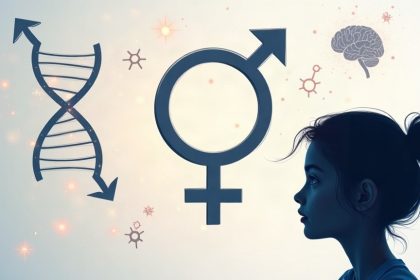
The medical treatment of gender affirmation in adolescents — defined as the period from the onset of puberty until the age of 18 — has become one of the most debated areas of medicine today. An articl...
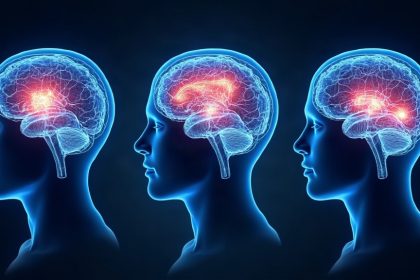
Does the brain of a transgender woman resemble more that of the people who share her gender identity, or that of those who share her sex assigned at birth? It is one of the classic questions in the ne...
Can certain genes explain part of gender dysphoria? Genetics has spent years trying to answer this question and accumulating clues. The latest comes from a Turkish team, which analyzed the DNA of a gr...